
Astronomy
A personal astronomy section for night-sky notes, beautiful objects, viewing tips, history, mythology, and the stories behind what we see overhead.
Objects worth slowing down for
These pages are written as approachable astronomy notes: what the object is, where it sits in the sky, how people have seen it, the story behind the name, and the best way to view it for yourself.
Astronomy Glossary
A plain-English A–Z lookup for every term across these notes — from astronomical unit and the ecliptic to spaghettification and the zodiacal light.
What Telescope Should I Get?
A no-hype, no-affiliate buying guide — why aperture beats magnification, the types explained, binoculars first, and how to actually observe.
Exoplanets
Worlds beyond the Solar System — what they are, how we've found 6,000+ without seeing most of them, the habitable zone, and the famous planets worth knowing.
Black Holes
Where gravity wins — the event horizon, how stars collapse, the giants at galaxy centers like Sagittarius A* and M87, and the titan TON 618.
Stars: Life & Death
The full life cycle — how stars are born in nebulae, live on the main sequence, and die as red giants, supernovae, white dwarfs, and neutron stars.
Nebulae
The honest observer's guide to cosmic clouds — the five kinds, the story of the Messier catalog, and what the Hubble images really show versus what you'll see through a scope.
Galaxies
Island universes and cosmic time machines — the types, our own Milky Way, when galaxies collide, and the Great Debate that discovered a cosmos beyond our own.
Cosmology
The whole universe as one story — the Big Bang, the cosmic microwave background, dark matter and dark energy, the cosmic web, and how it all might end.
The Solar System
A plain-English map of the Solar System's structure — the order of the planets and the belts, rings, and clouds between and beyond them. Start here for the Asteroid Belt, Kuiper Belt, and more.
Asteroid Belt
The ring of rock between Mars and Jupiter — why it never formed a planet, the dwarf planet Ceres, and the truth about the crowded "asteroid field" the movies get wrong.
Kuiper Belt
The icy belt beyond Neptune — how it differs from the Asteroid Belt, why Pluto lives there, and the "is Pluto a planet" debate.
Scattered Disk & Oort Cloud
The frozen edge of the Solar System — Eris, and the vast spherical Oort Cloud where the long-period comets are born.
Planetary Ring Systems
All four giant planets have rings — why Saturn's dazzle, the others are faint, and none of them are solid.
Zodiacal Cloud
The faint "false dawn" pyramid of light — sunlight scattering off comet and asteroid dust, and how to see it yourself.
Comets & Meteors
Dirty snowballs and shooting stars — what comets are, how their dust makes the annual meteor showers, and a year-round guide to watching them.
Dwarf Planets
Pluto, Ceres, Eris, Haumea, and Makemake — the round worlds that never cleared their orbits, and the "is Pluto a planet?" question.
The Sun
Our star up close — its layers from core to corona, how to view it safely, solar eclipses, and the sunspot cycle that drives the aurora.
Moons
Our Moon, Jupiter's Galilean moons, Titan, Enceladus, and Triton — the worlds orbiting worlds, and the ones you can spot in binoculars.
The Planets
All eight worlds from Mercury to Neptune — the rocky planets, the gas giants, and the ice giants, compared side by side with a page for each.
Ring Nebula / M57
A glowing shell from a dying star in Lyra, famous for its smoke-ring shape and its discovery-credit debate between two French observers in 1779.
Pleiades / Seven Sisters
A bright open star cluster in Taurus, wrapped in blue reflection nebulosity and referenced in ancient mythology from Greece to Japan.
Andromeda Galaxy / M31
The nearest large galaxy — 2.5 million light-years away, visible to the naked eye on a clear dark night, and heading toward the Milky Way — though a 2025 study puts the odds of an eventual merger at roughly 50/50.
Orion Nebula / M42
A stellar nursery lit from within by four young hot stars called the Trapezium — the brightest nebula in the winter sky and a showpiece for any telescope.
Hercules Cluster / M13
The finest globular cluster in the northern sky — a sphere of 300,000 stars 25,000 light-years away, and the target of humanity’s 1974 Arecibo radio message to the cosmos.
Betelgeuse
The orange-red supergiant in Orion’s shoulder that pulsates, dimmed dramatically in 2019–2020 (the Great Dimming), and will eventually explode as a supernova visible in daylight.
Polaris / The North Star
A triple-star system sitting almost exactly over Earth’s North Pole — used for navigation for centuries — and destined to lose the title as Earth’s axis slowly precesses, with Vega taking over in about 12,000 years.
Pale Blue Dot
Earth photographed by Voyager 1 from 6 billion kilometers away on February 14, 1990 — Carl Sagan’s campaign to take the picture, and the famous reflection it inspired.
Earthrise
Christmas Eve 1968 — Apollo 8 astronaut Bill Anders photographs Earth rising over the lunar horizon. The most influential environmental photograph ever taken.
Voyager 1
The most distant human-made object — launched in 1977, it flew past Jupiter and Saturn, took the Pale Blue Dot, and in 2012 became the first craft to reach interstellar space.
Voyager 2
The only spacecraft ever to visit all four outer planets — Jupiter, Saturn, Uranus, and Neptune — and the only close-up science we have of Uranus, Neptune, and Triton.
Whirlpool Galaxy / M51
The first spiral structure anyone ever recognized — a grand-design galaxy caught in the act of interacting with its smaller companion NGC 5195, with a black hole and a candidate extragalactic planet.
Draco Constellation
The Dragon winding around the north celestial pole — home to the Cat's Eye Nebula, the chance-aligned Draco Triplet of galaxies, and Thuban, the pole star of the pyramid builders.
Veil Nebula
The glowing wreckage of a supernova in Cygnus — a blast wave still plowing through space thousands of years after the explosion, lit in ribbons of hydrogen red and oxygen teal.
Vega
The brilliant blue-white anchor of Lyra — once the zero-point of the brightness scale, ringed with a dusty debris disk, and both our past and future pole star.
Deneb
The tail of the Swan and top of the Northern Cross — one of the most luminous stars visible to the naked eye, blazing across more than a thousand light-years.
Altair
The flying eagle of Aquila — a near neighbor spinning so fast it is squashed into an egg, and the first main-sequence star beyond the Sun to have its surface directly imaged.
Summer Triangle
The great asterism of Vega, Deneb, and Altair — three bright stars at wildly different distances, framing the summer Milky Way and a sky full of deep-sky gems.
Lyra Constellation
The little Harp of Orpheus — small but jewel-packed, with Vega, the Ring Nebula, the quadruple "Double Double," and the field where Kepler hunted for planets.
Greek Mythology in the Night Sky
The connected autumn saga of Cassiopeia, Cepheus, Andromeda, Perseus, Pegasus, and Cetus — a sky-map, the Royal Family story, and a doorway to every myth the stars carry.
Perseus
The hero who slew Medusa and rescued Andromeda — home to Algol the Demon Star, the Double Cluster, and the August Perseid meteor shower.
Cepheus
The king, holding Delta Cephei — the pulsing star that gave astronomers the cosmic distance ladder — plus the Garnet Star and the Iris Nebula.
Pegasus
The winged horse and its Great Square, home to 51 Pegasi (the first exoplanet around a sun-like star) and the galaxy group Stephan's Quintet.
Cetus
The sea monster, holding Mira (the first variable star ever found) and the nearby sun-like star Tau Ceti.
Orion Constellation
The hunter recognized by nearly every culture — the Belt and Sword, Betelgeuse and Rigel, and the Horsehead and Orion nebulae.
Hercules Constellation
The kneeling hero of the twelve labours — the Keystone, the great clusters M13 and M92, and the jet-firing radio galaxy Hercules A.
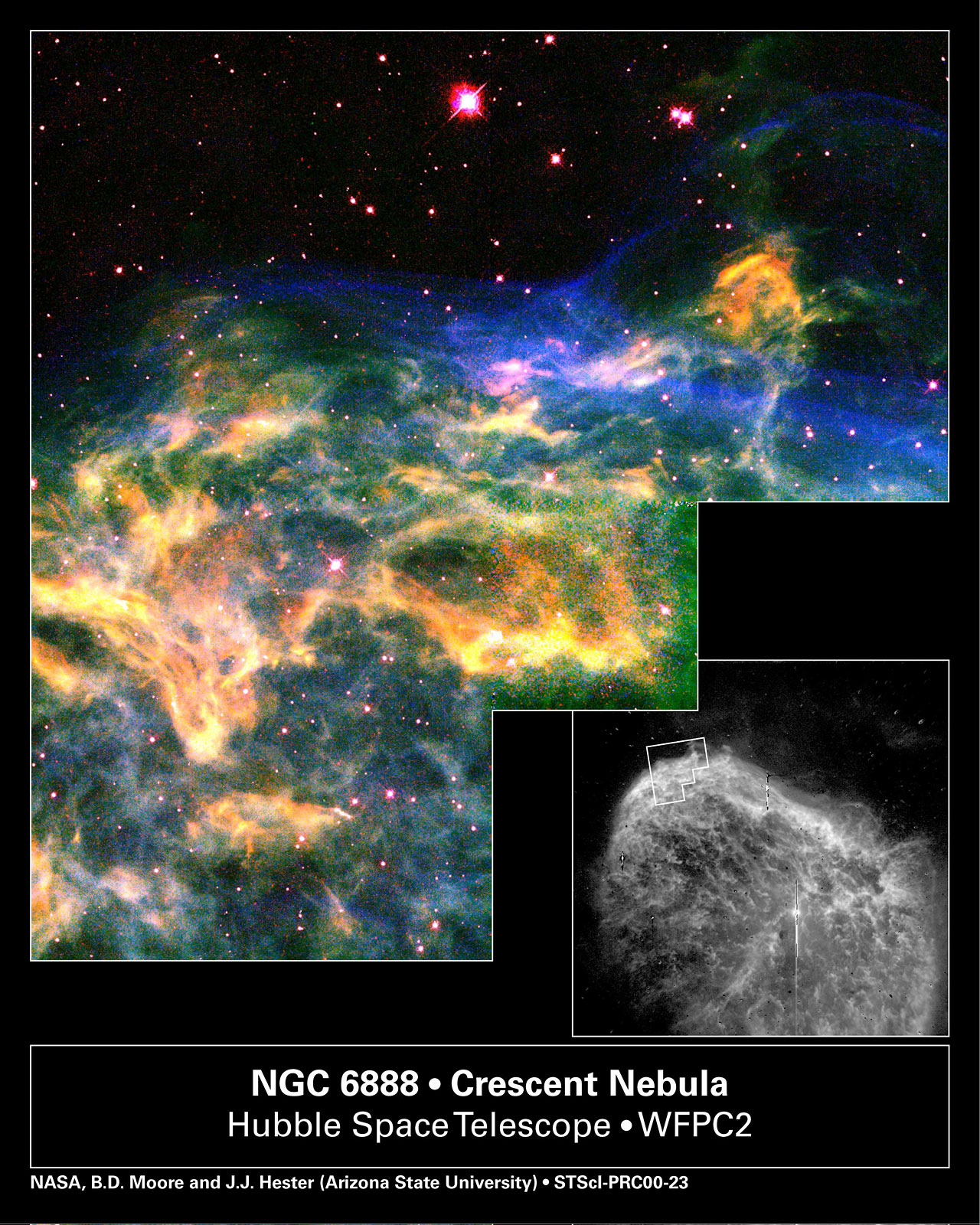
Cygnus Constellation
The swan and Northern Cross — Albireo, the Crescent and Veil nebulae, and Cygnus X-1, the first black hole ever identified.
Ursa Major Constellation
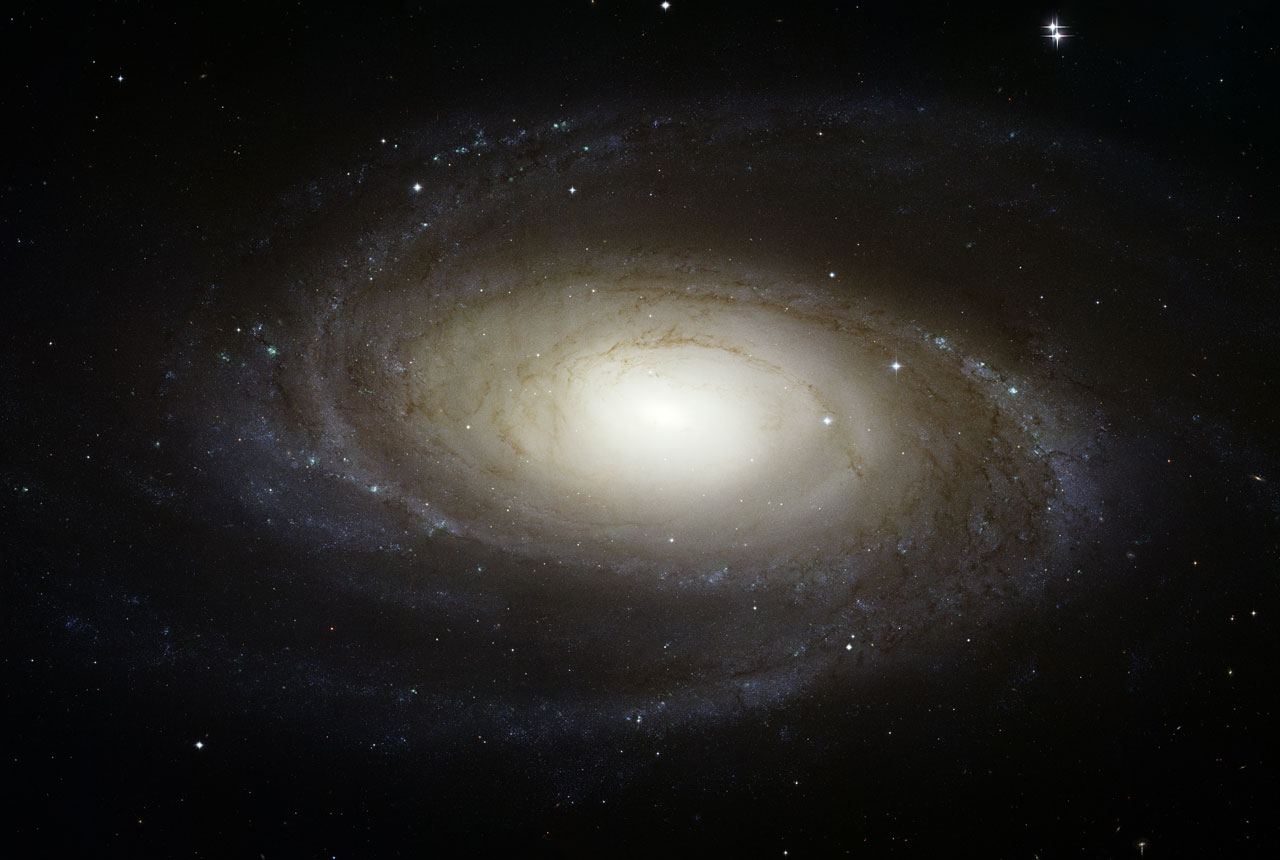
The Great Bear and the Big Dipper — the Pointers to Polaris, Mizar and Alcor, and the galaxies M81 and M82.
Boötes Constellation
The Herdsman who drives the bears around the pole — brilliant Arcturus, the double star Izar, and the vast Boötes Void.
Arcturus
The brightest star of the northern sky — a red giant 25 times the Sun's size, a fast galactic visitor, and the star that opened the 1933 World's Fair.
What these objects look like
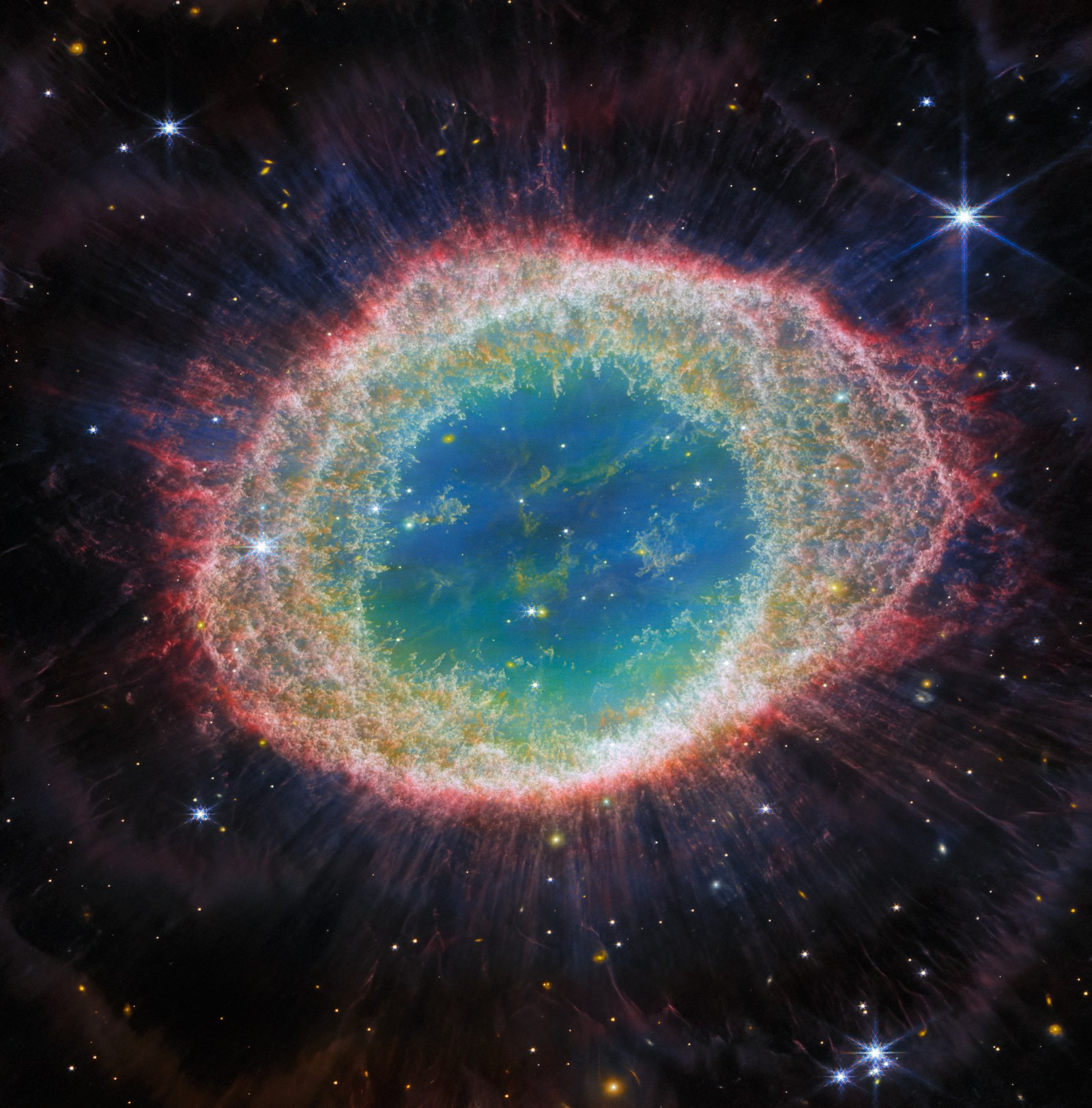
Ring Nebula
Webb’s NIRCam view shows M57 in near-infrared detail, revealing the delicate structure of the dying star’s ejected shell.
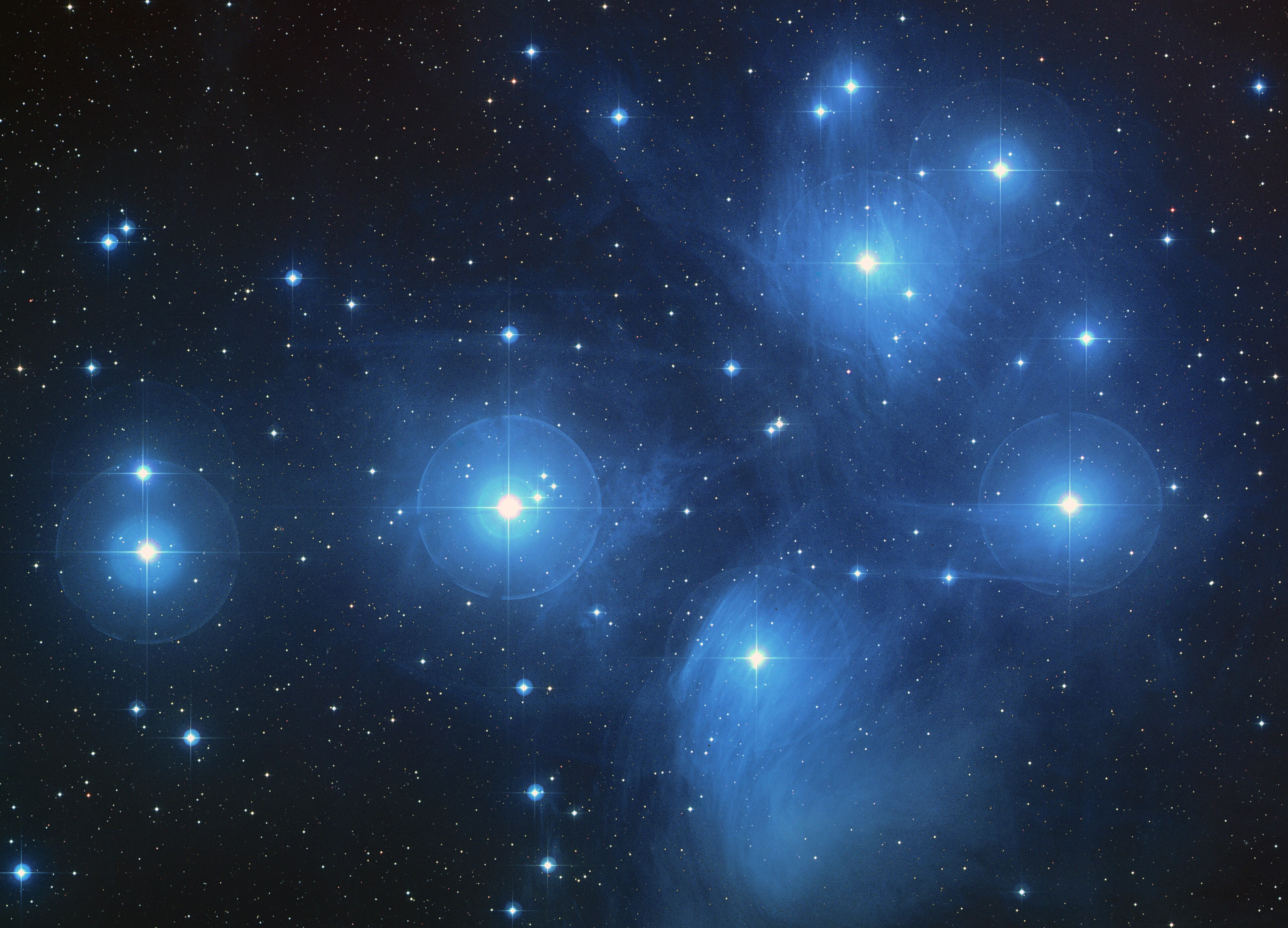
Pleiades
The blue glow of M45 makes it one of the most recognizable winter sky objects — a cluster of young hot stars wrapped in blue reflection nebulosity.
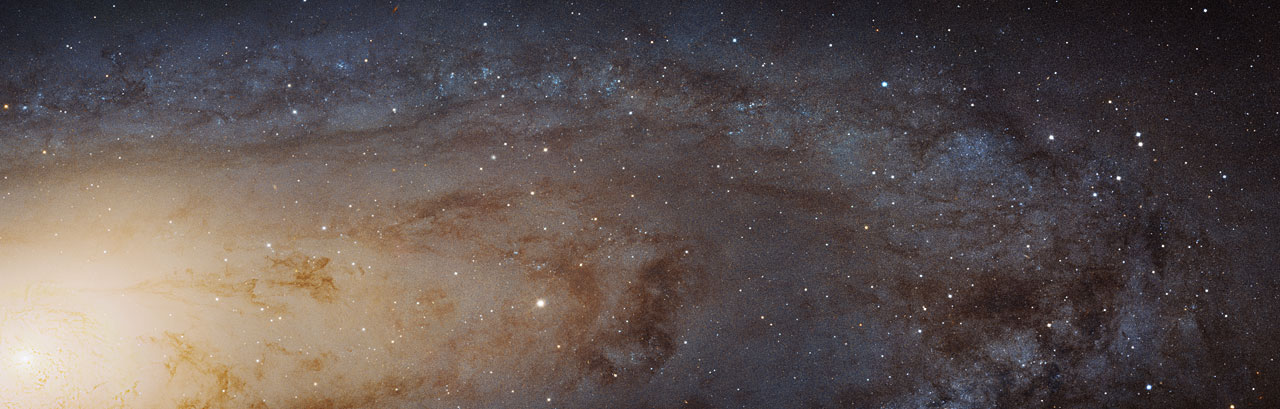
Andromeda Galaxy
The Hubble PHAT panoramic of M31 resolves over 100 million individual stars — the nearest large galaxy, containing a trillion stars in total.
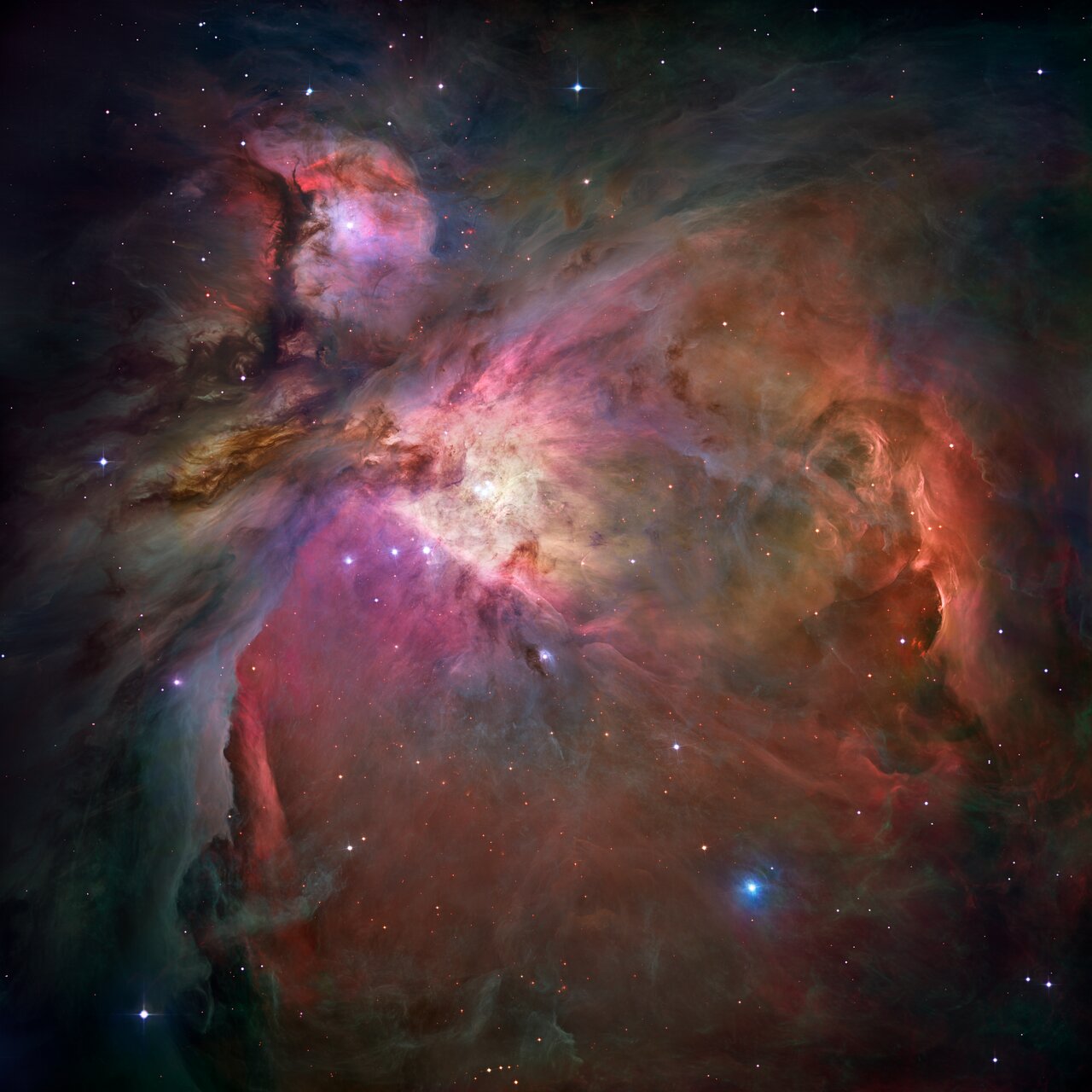
Orion Nebula
Hubble’s 520-exposure mosaic of M42 shows more than 3,000 young stars in various stages of formation inside the Orion Molecular Cloud.
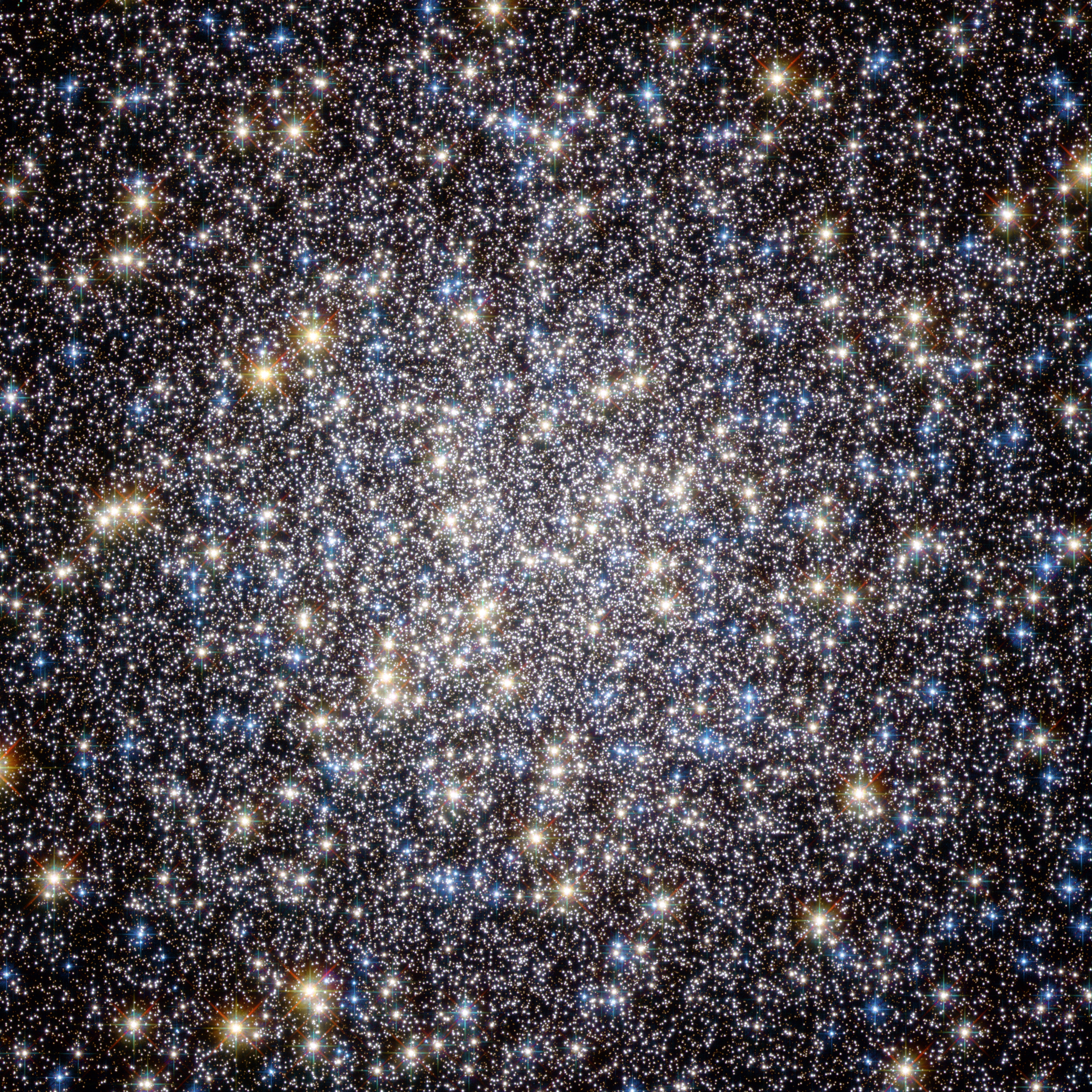
Hercules Cluster
Hubble resolves individual stars across M13’s dense core and outer halo — a 300,000-star sphere 11.65 billion years old.
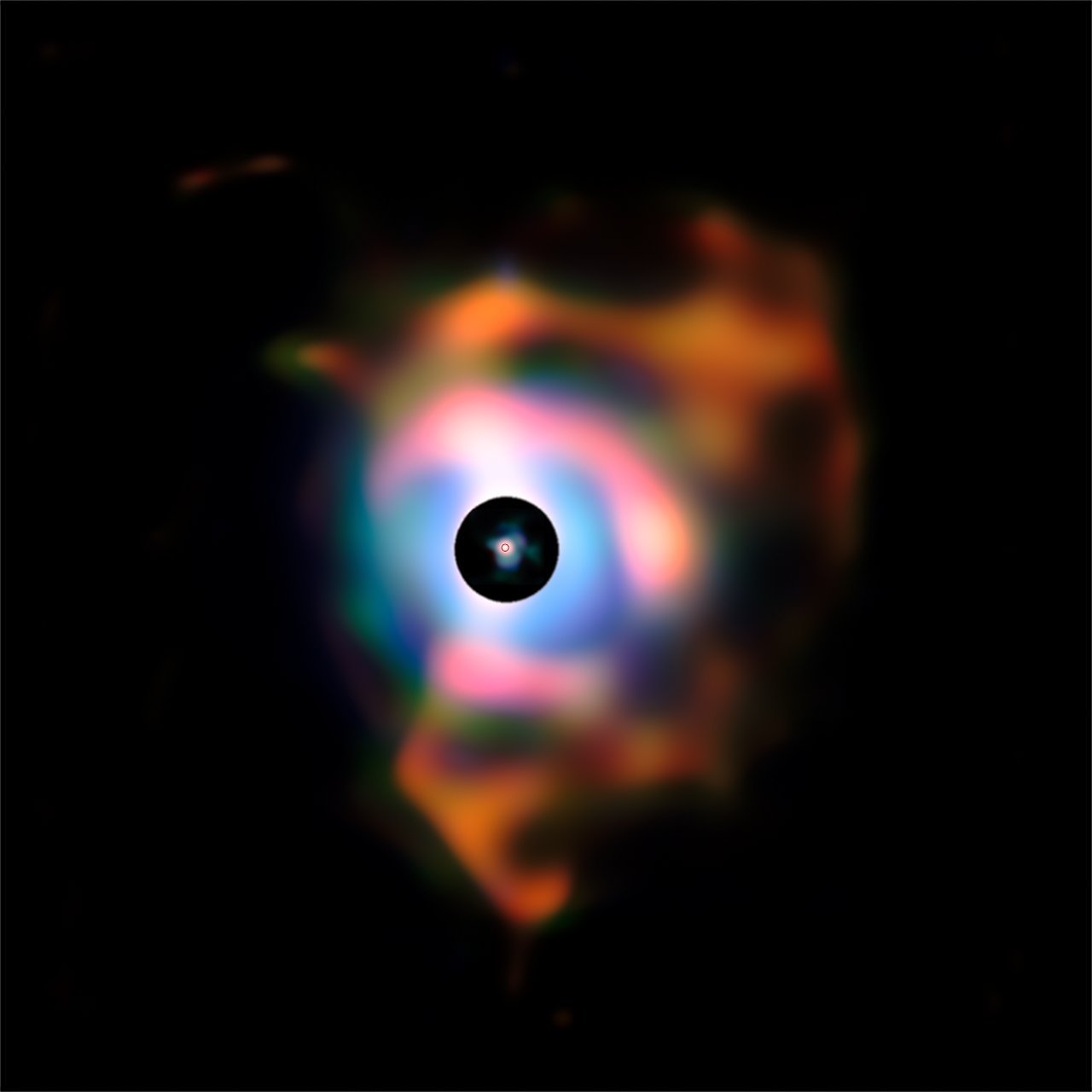
Betelgeuse
The ESO VLT VISIR infrared image of Betelgeuse shows the flame-like nebula of material the red supergiant is shedding into space.
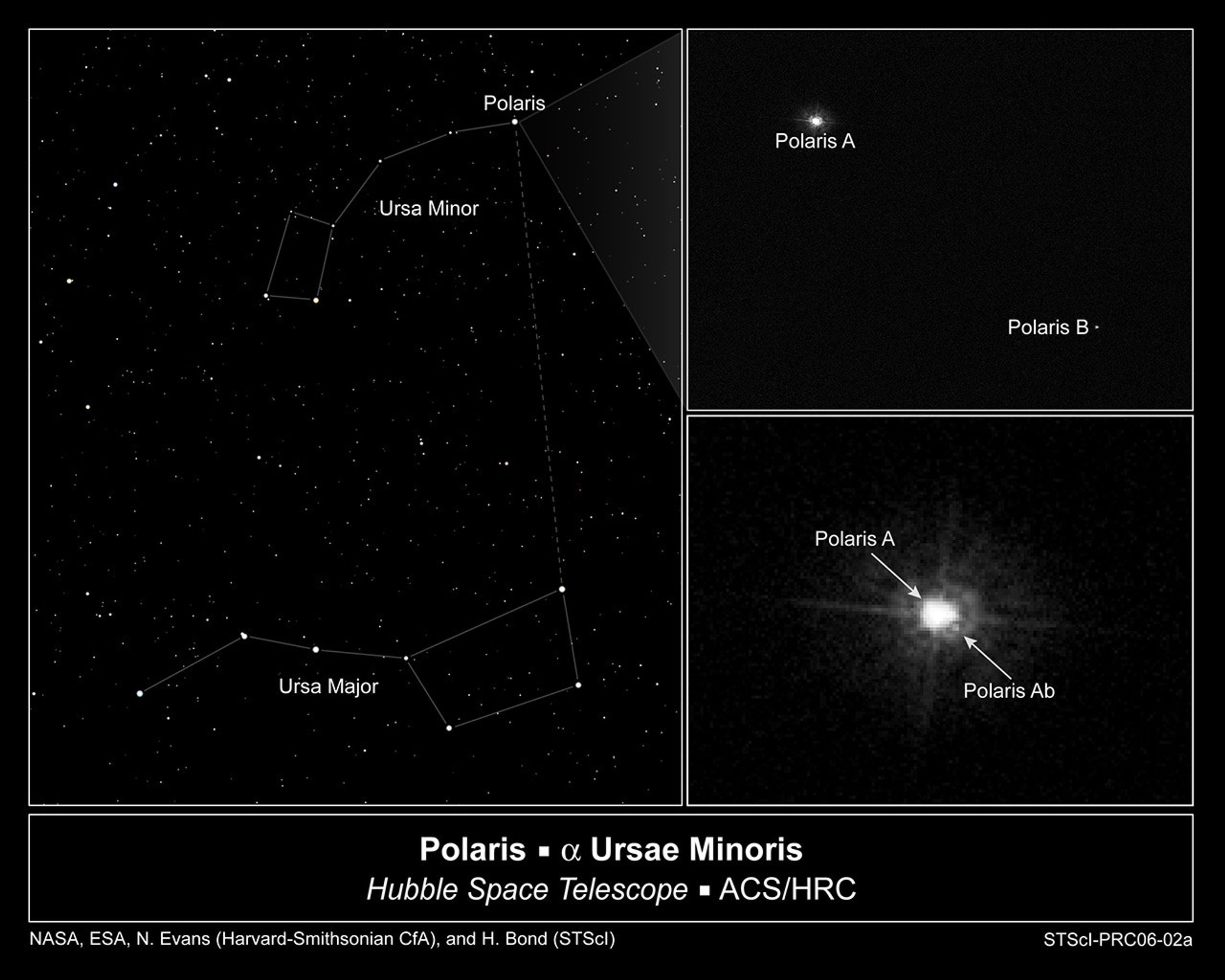
Polaris
Hubble resolved Polaris Ab — the close inner companion — from the bright primary for the first time in 2006, confirming the triple-star nature of the system.
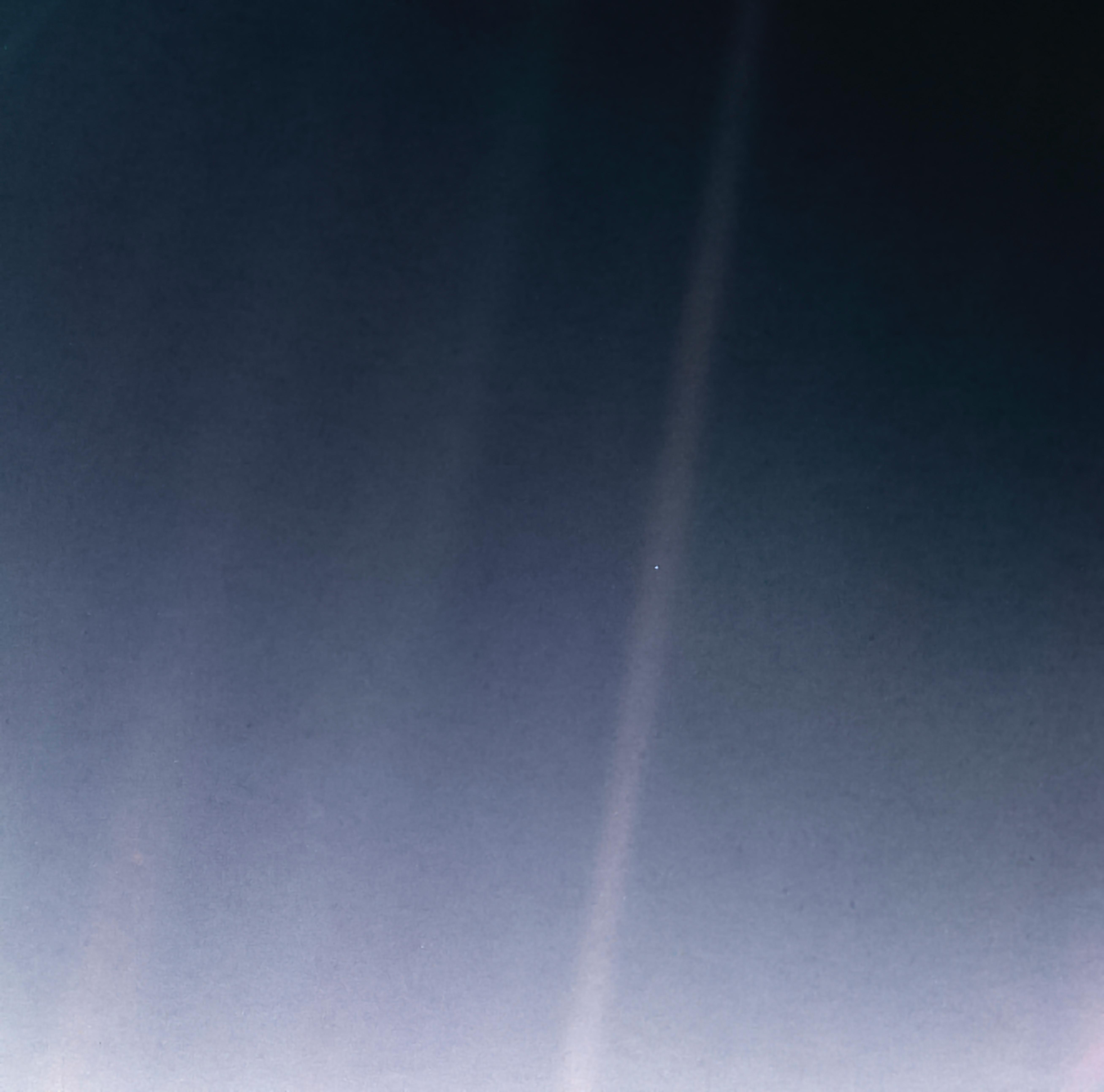
Pale Blue Dot
Voyager 1's remastered 2020 photograph: Earth as a tiny pale point in a scattered ray of sunlight, 6 billion km from the spacecraft.
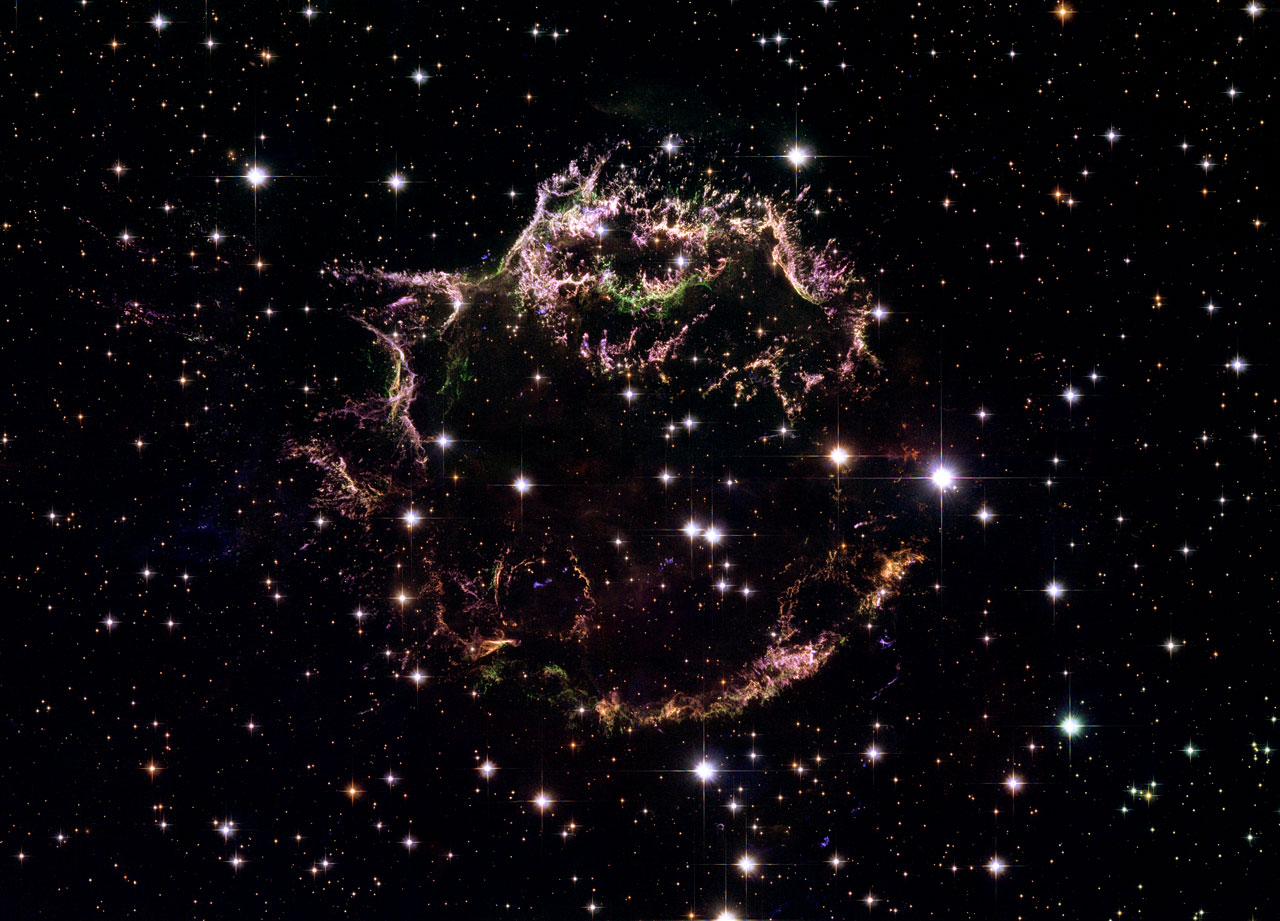
Cassiopeia
Hubble's ACS image of Cassiopeia A — one of the youngest known supernova remnants in the Milky Way, still expanding from a star that exploded around 1680 CE.
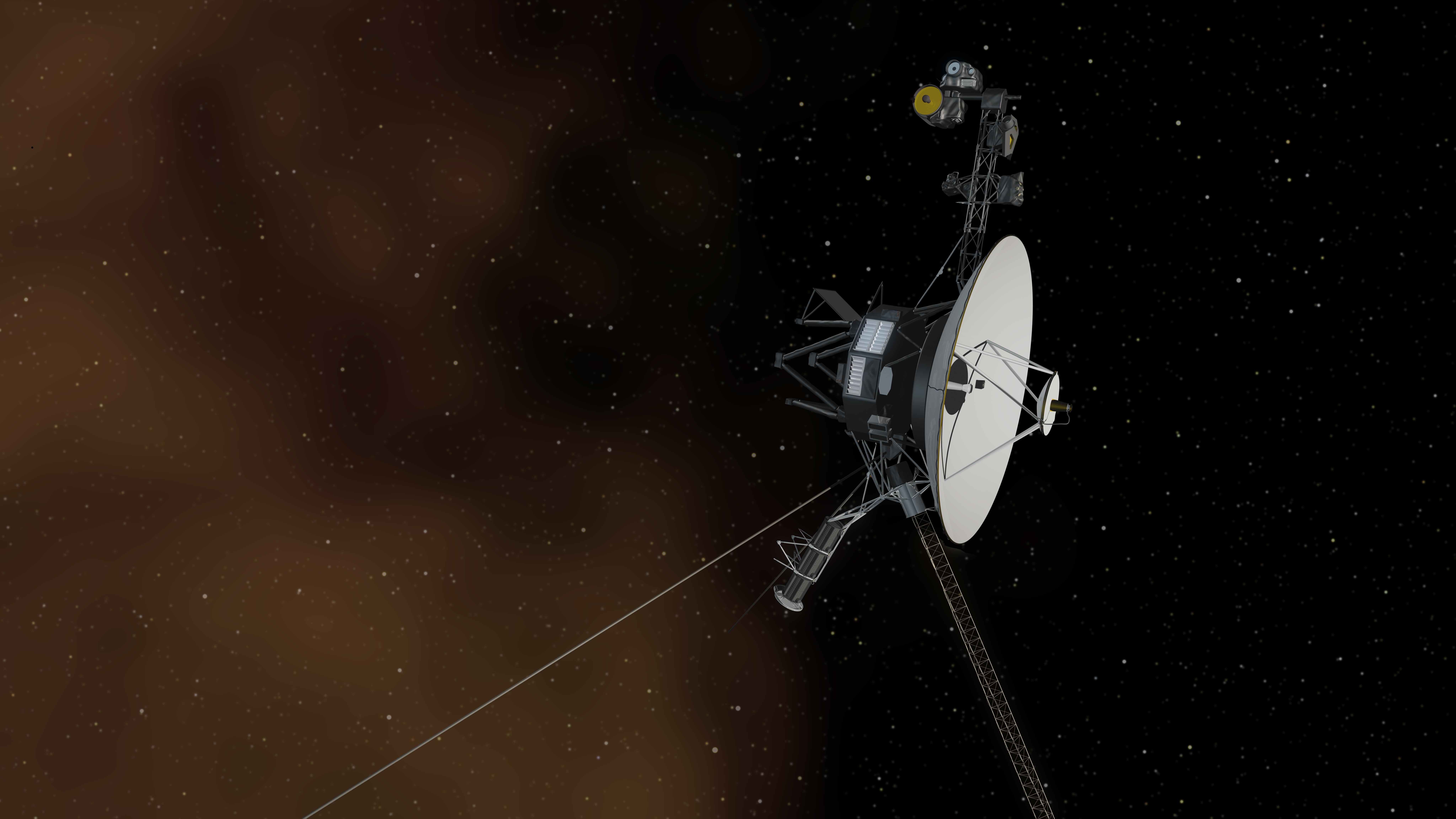
Voyager 1
Humanity's farthest traveler, sailing through interstellar space nearly 50 years after launch — and rescued from 24 billion km away in 2024.
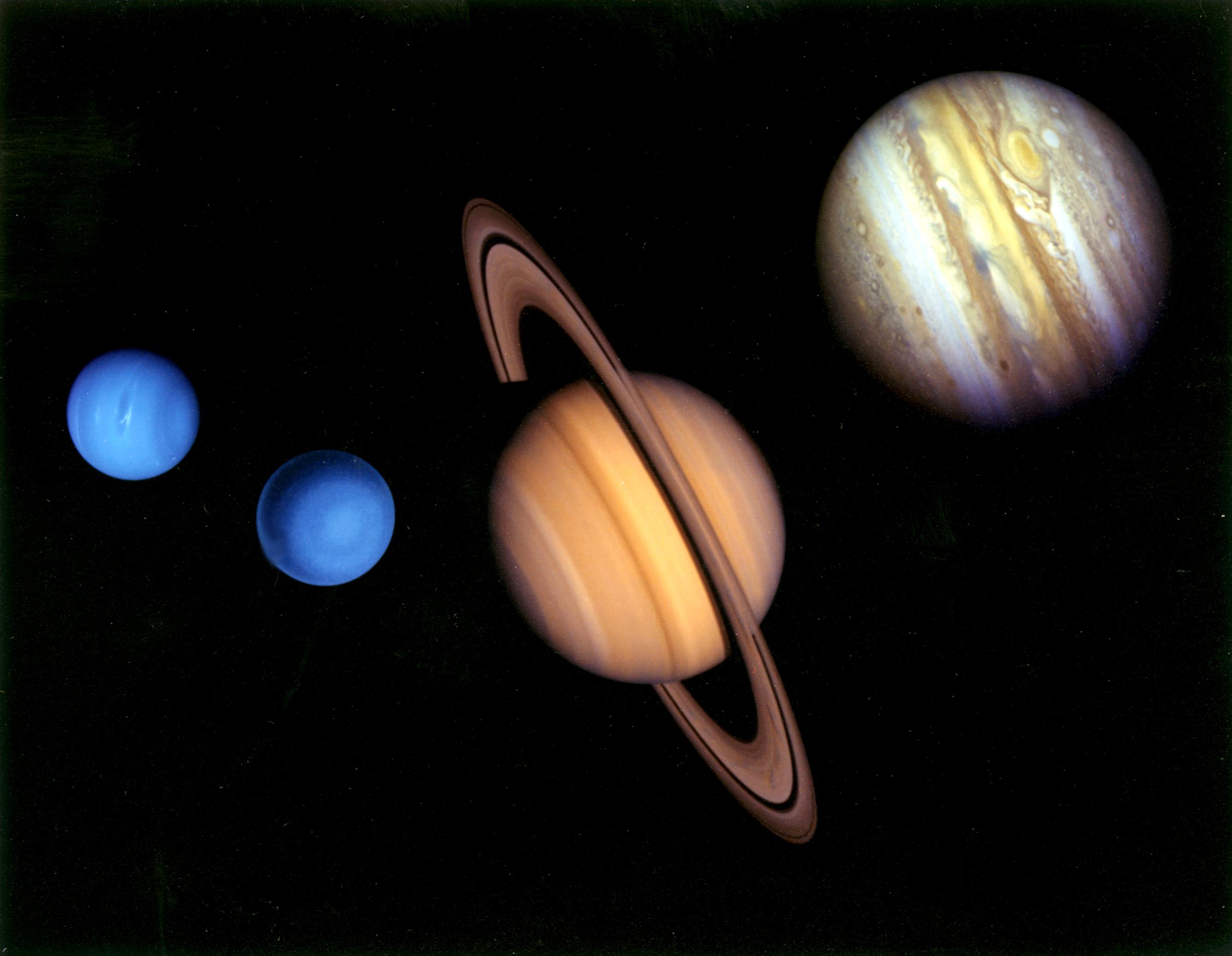
Voyager 2
The Grand Tour that rewrote the solar system — the only spacecraft ever to fly past Uranus and Neptune, now in interstellar space.
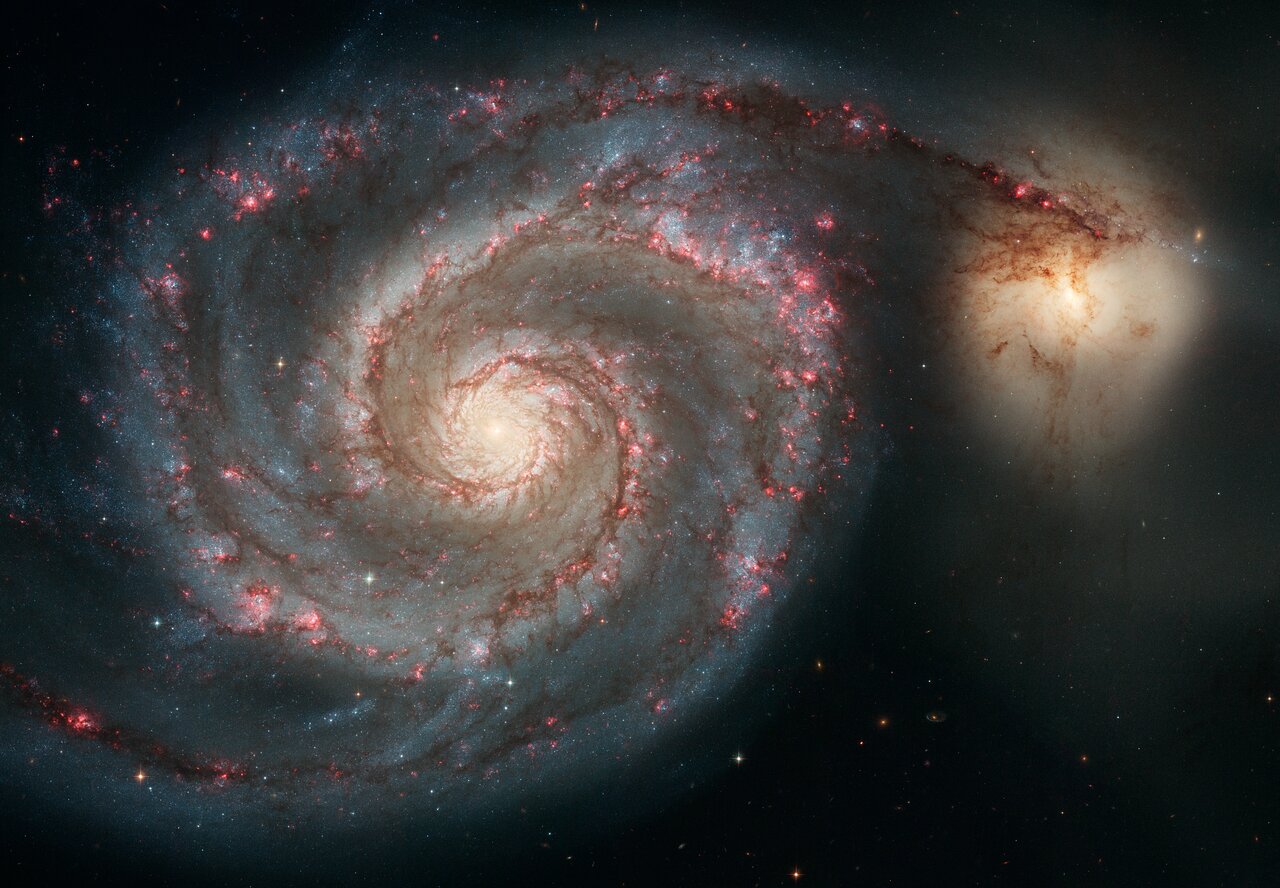
Whirlpool Galaxy
Hubble's sharpest view of M51 — a grand-design spiral with its companion NGC 5195 tugging on its arms.
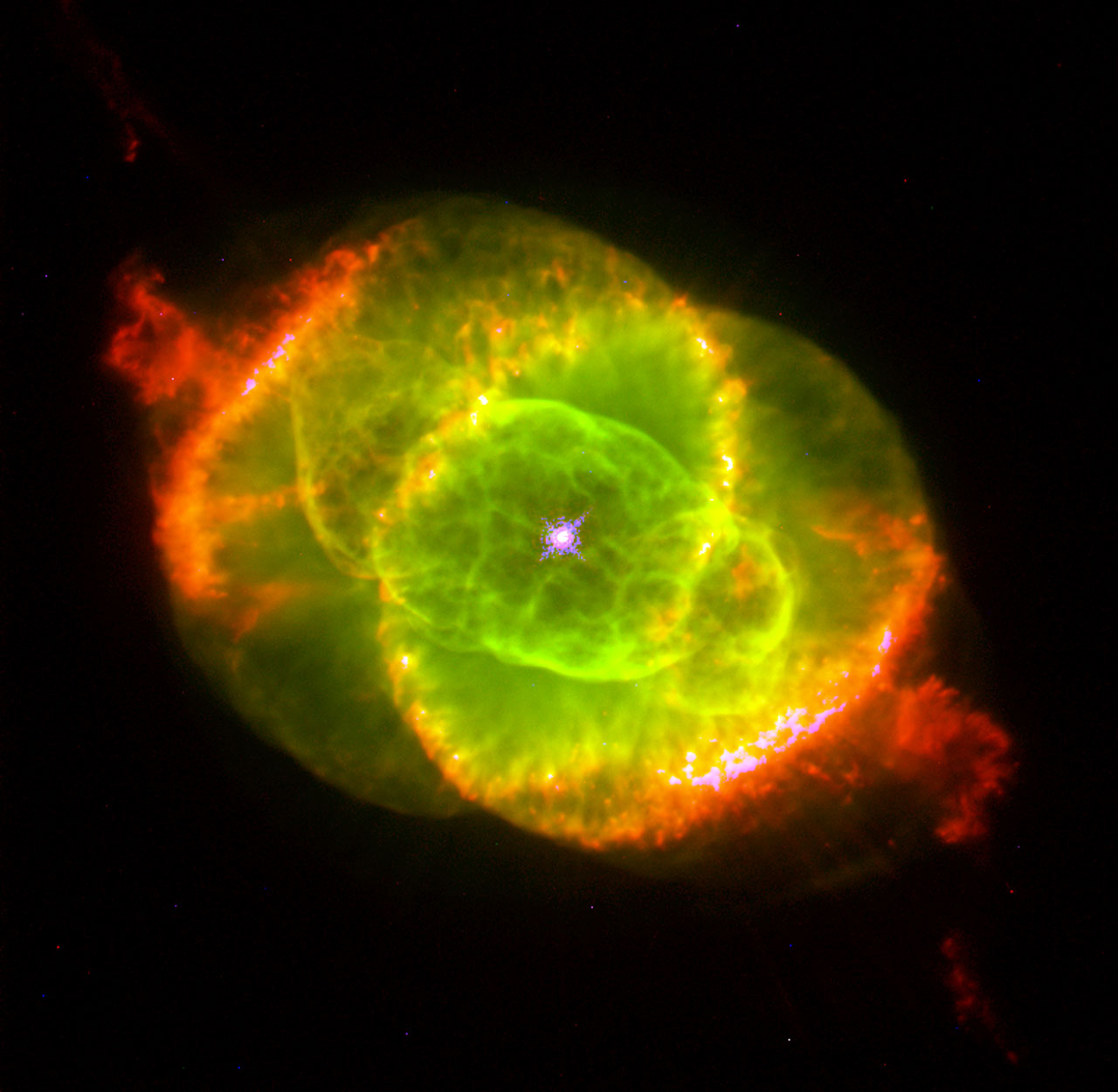
Draco
The Cat's Eye Nebula — the layered shroud of a dying Sun-like star and the jewel of the Dragon constellation.
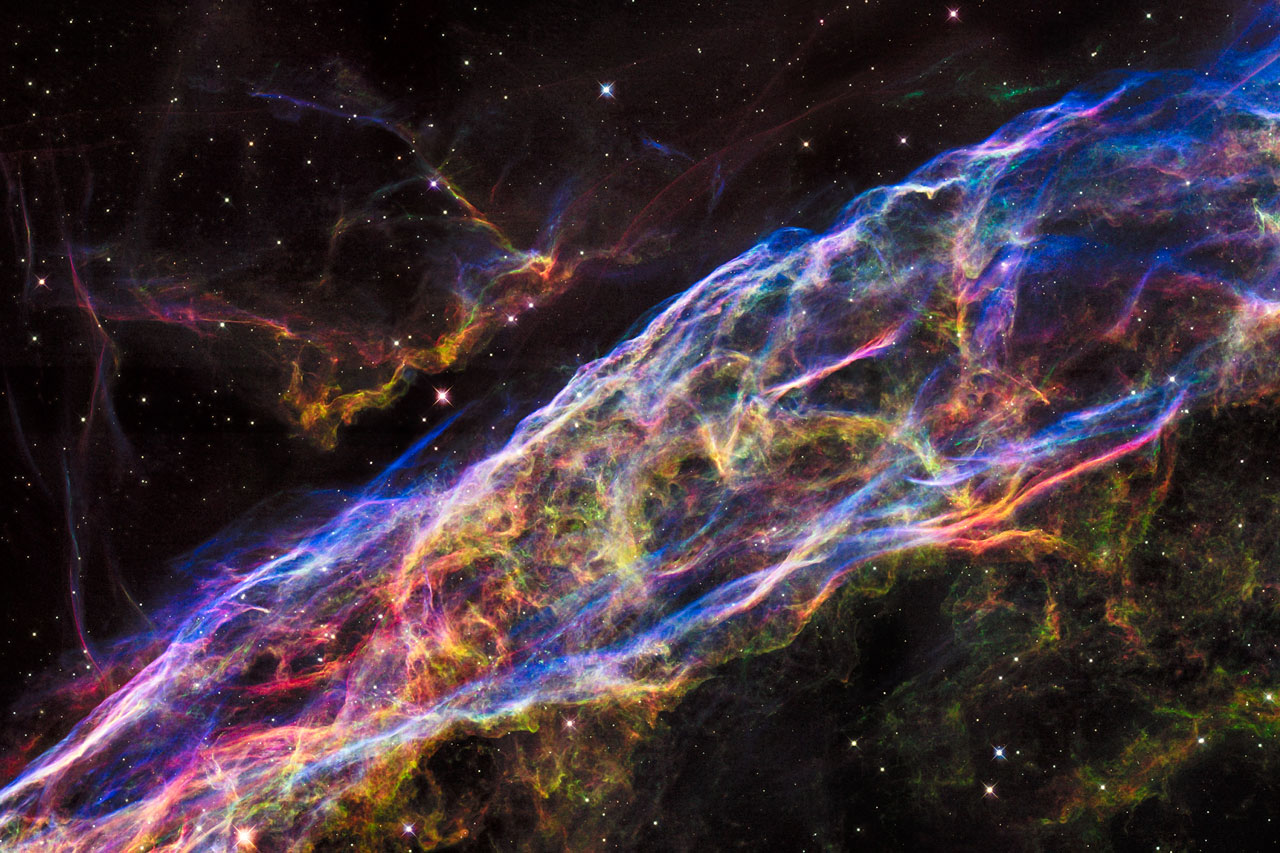
Veil Nebula
A Hubble close-up of the Veil's filaments — the glowing blast wave of a star that exploded thousands of years ago.
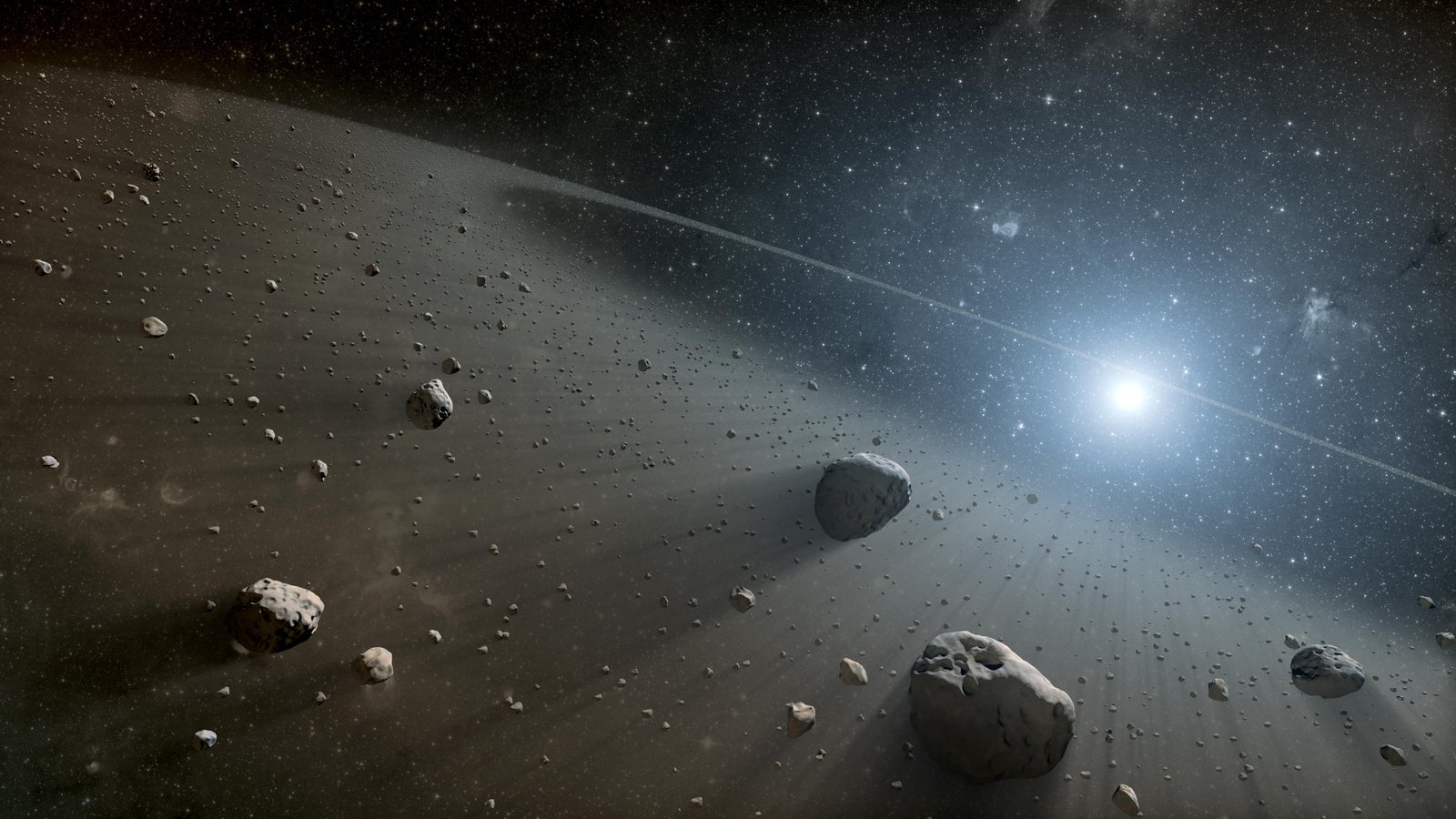
Vega
The dusty debris ring around Vega, the blue-white anchor of Lyra and a once-and-future pole star.
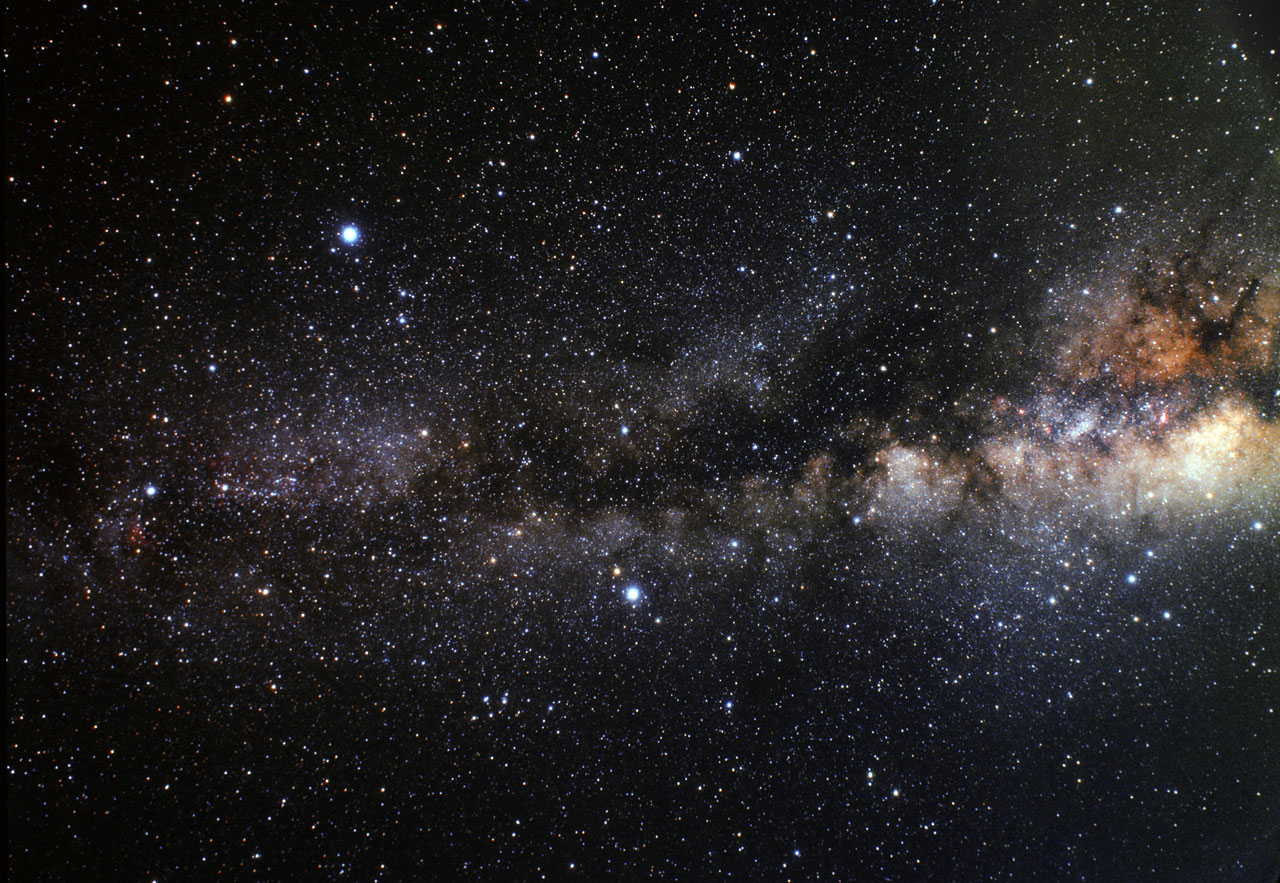
Summer Triangle
Vega, Deneb, and Altair mark the corners of the great summer asterism, with the Milky Way pouring through the middle.
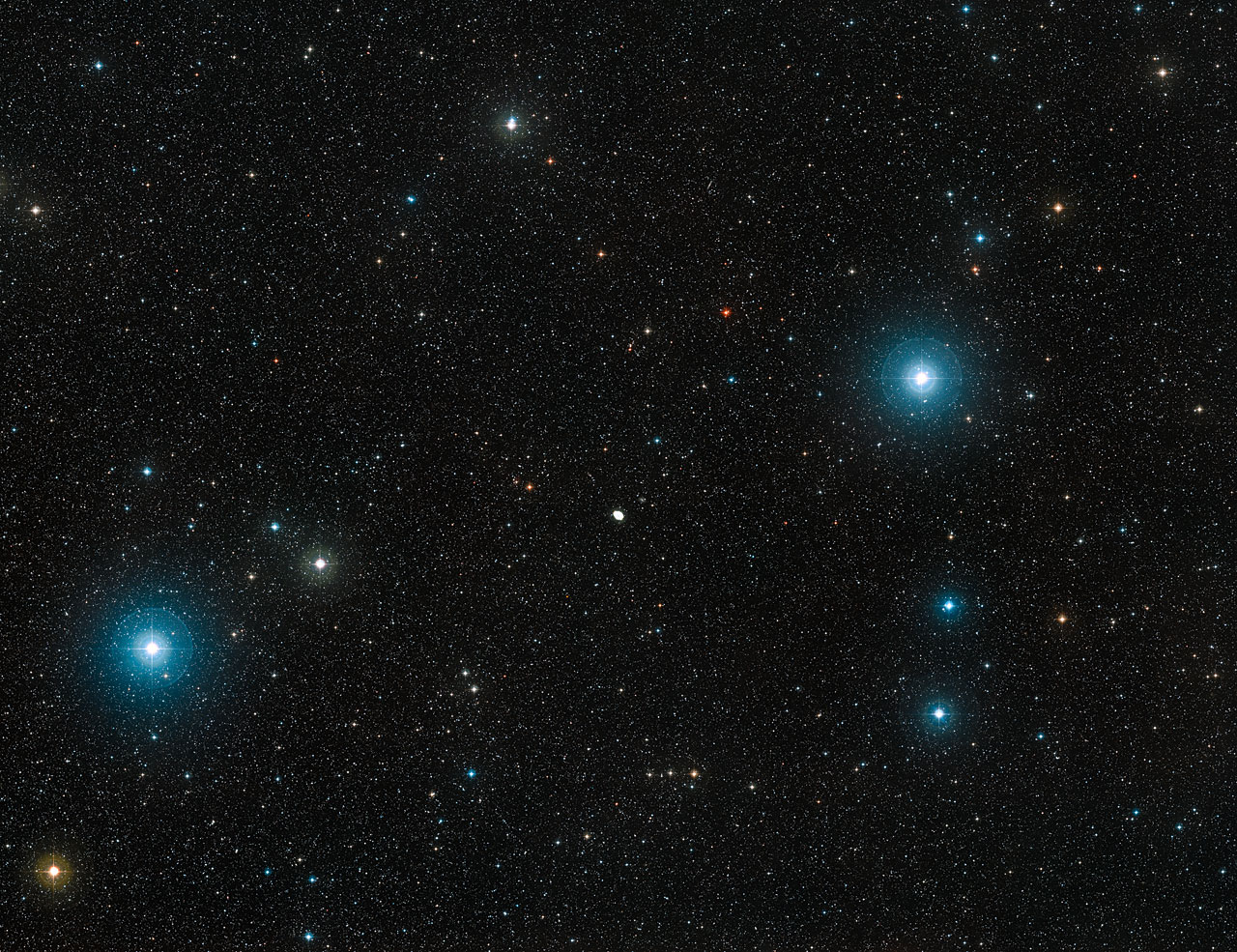
Lyra
The Ring Nebula nestled in Lyra, the small Harp constellation that holds Vega and a wealth of deep-sky gems.
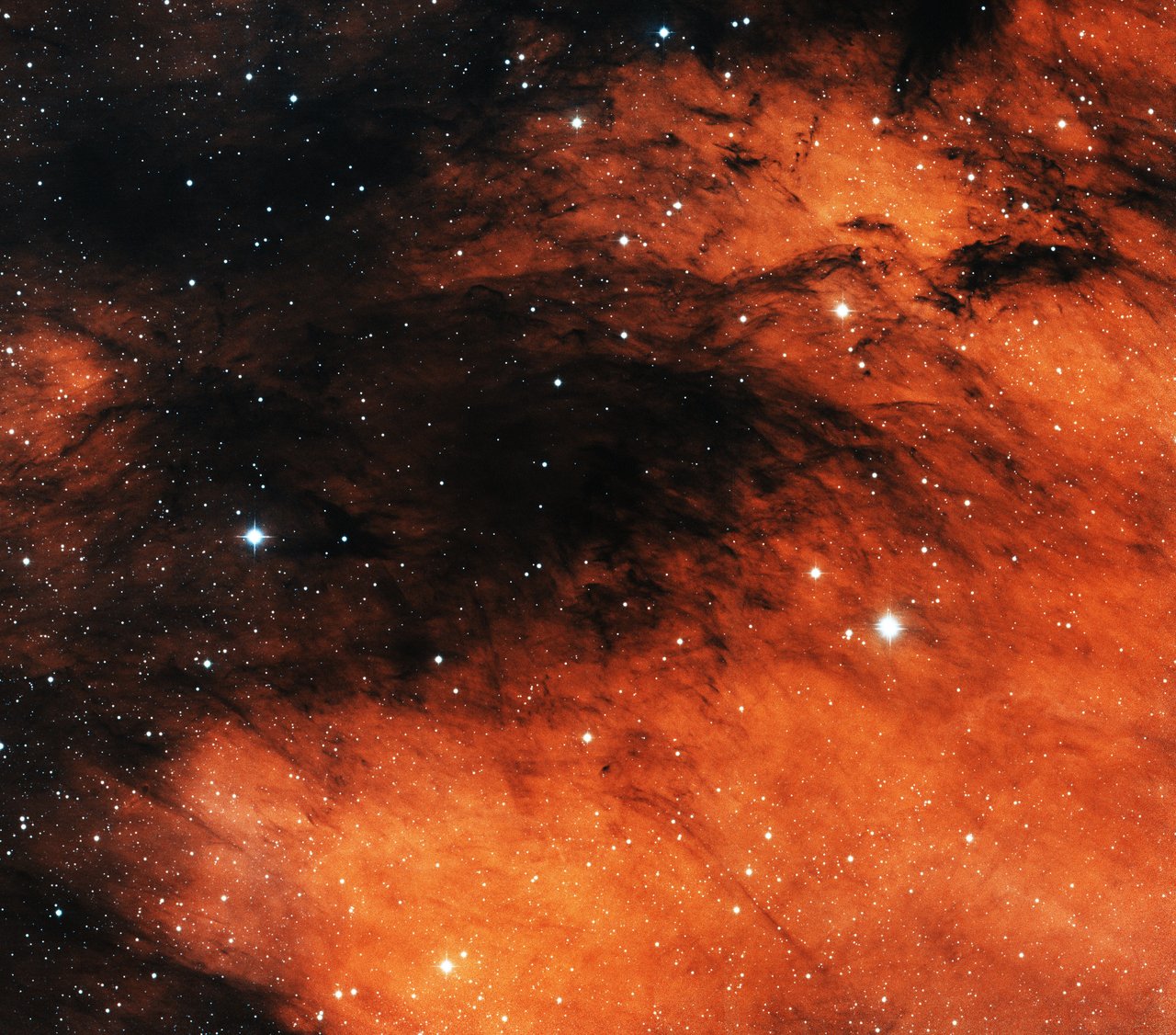
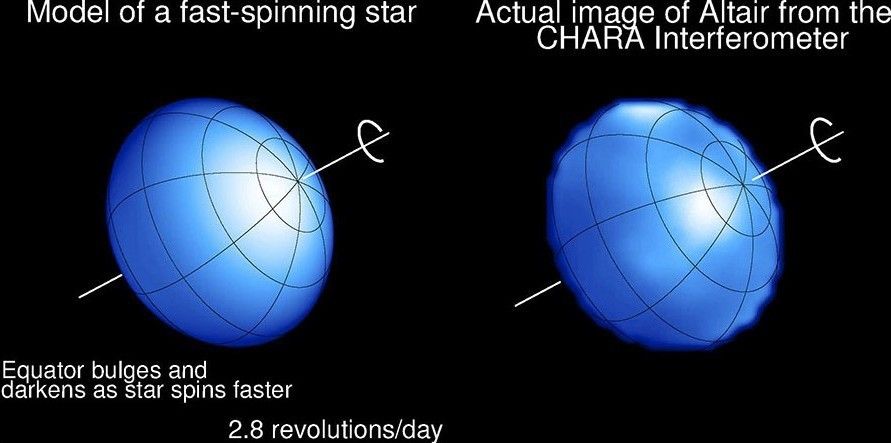
Altair
The first main-sequence star beyond the Sun to be imaged — squashed into an egg by its ferocious spin.
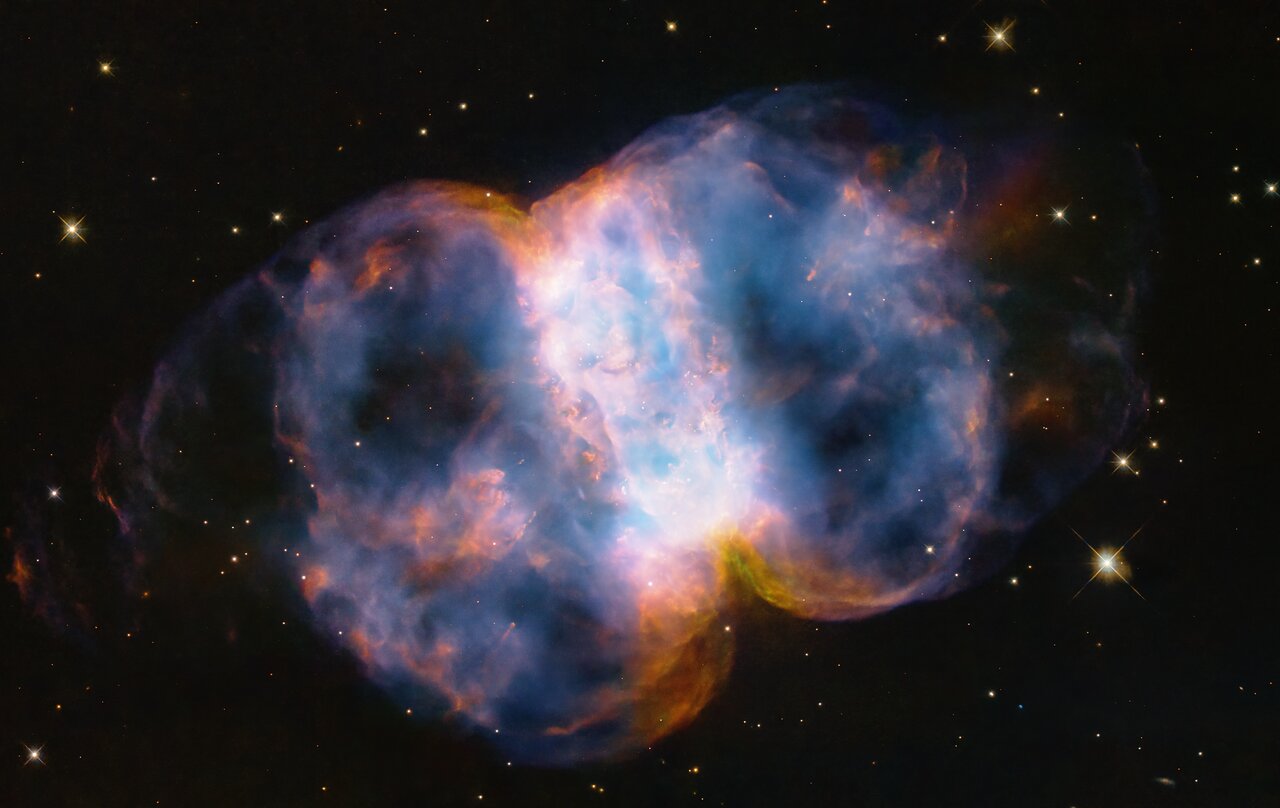
Perseus
The Little Dumbbell Nebula in the hero's constellation — home to Algol the Demon Star and the Perseid meteors.
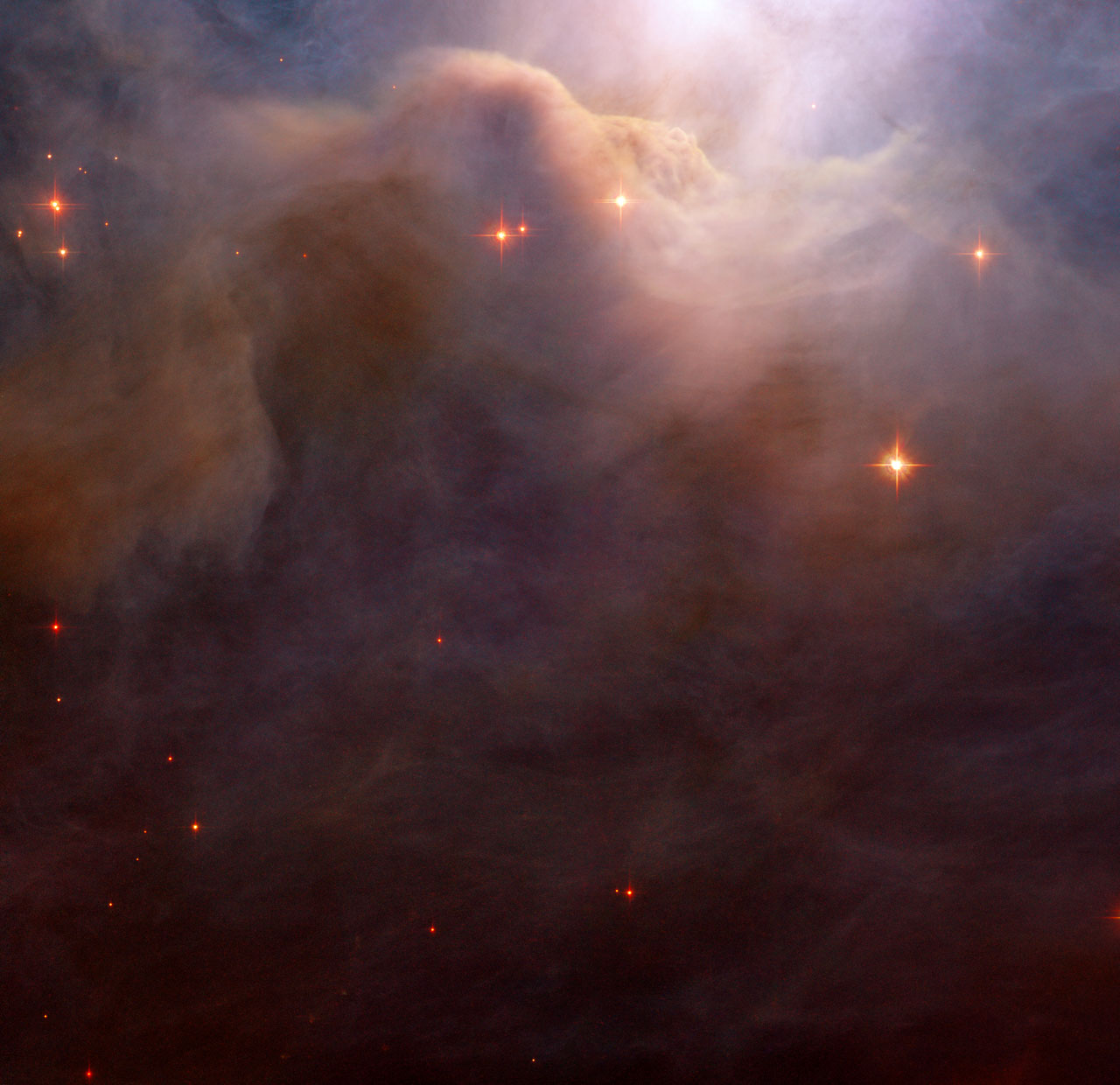
Cepheus
The Iris Nebula in the king's constellation, home to Delta Cephei, the star that measured the universe.
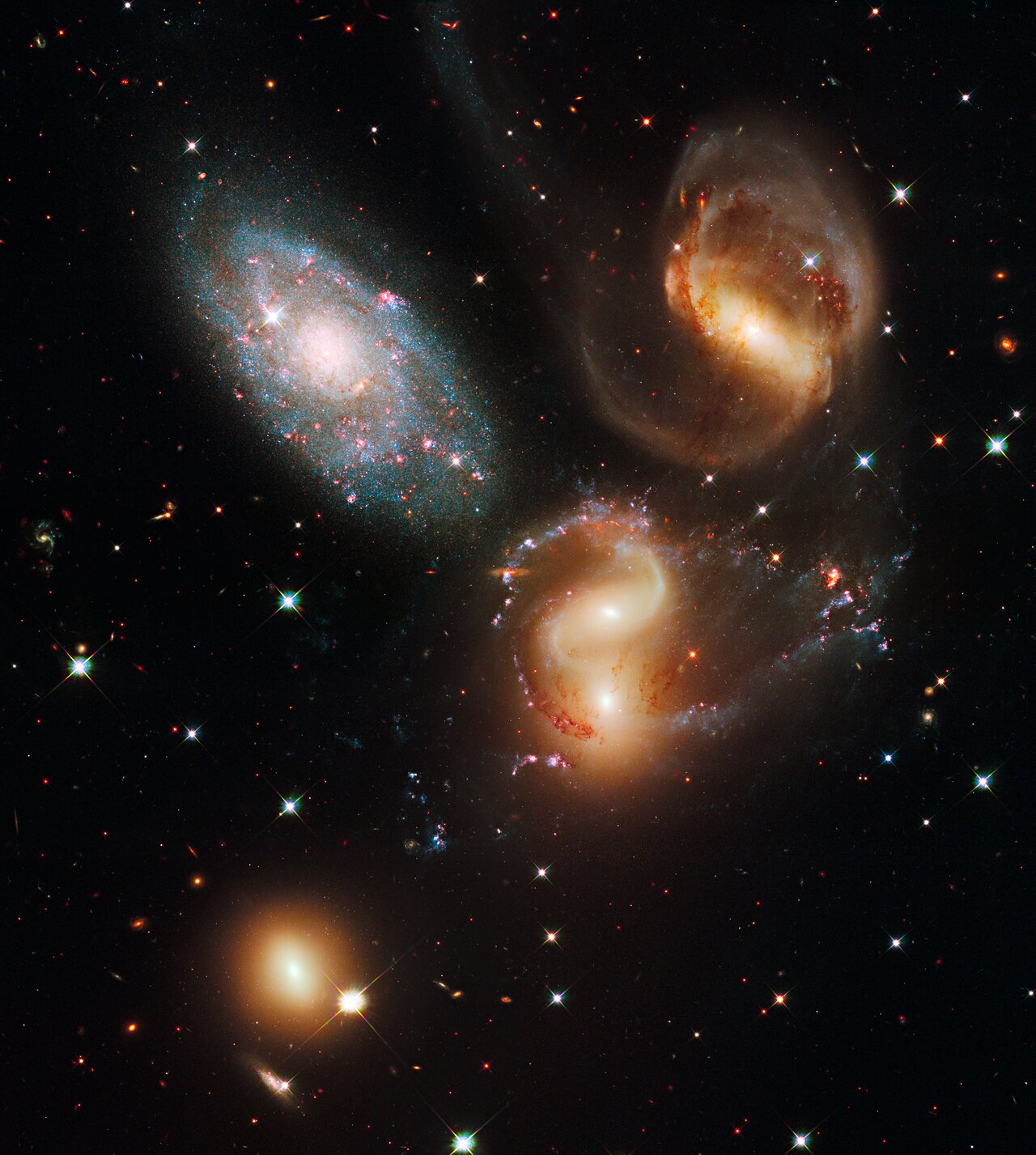
Pegasus
Stephan's Quintet in the winged horse — whose Great Square holds 51 Pegasi, the first exoplanet around a sun-like star.
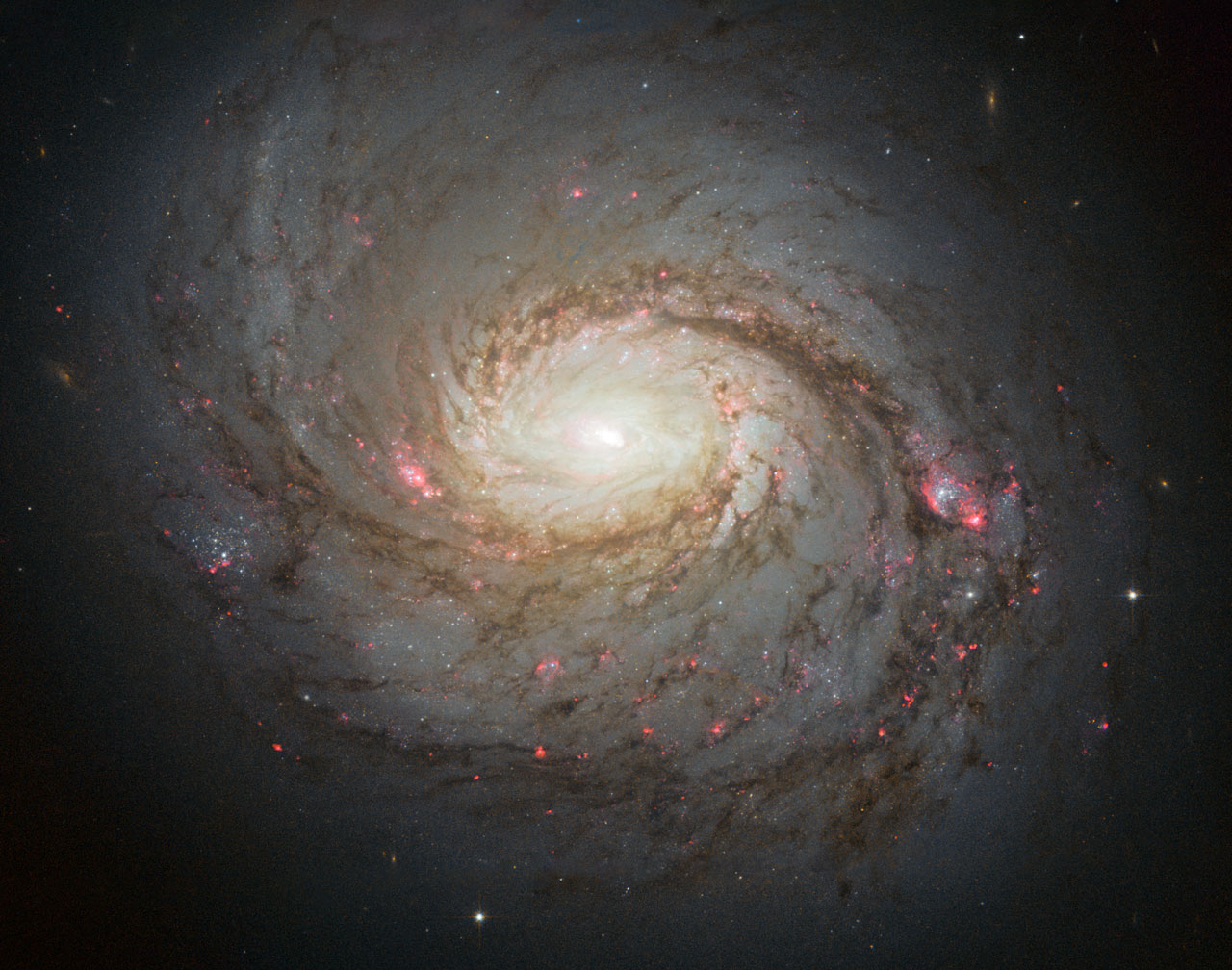
Cetus
The Seyfert galaxy M77 in the sea monster — home to Mira, the first variable star ever recognized.
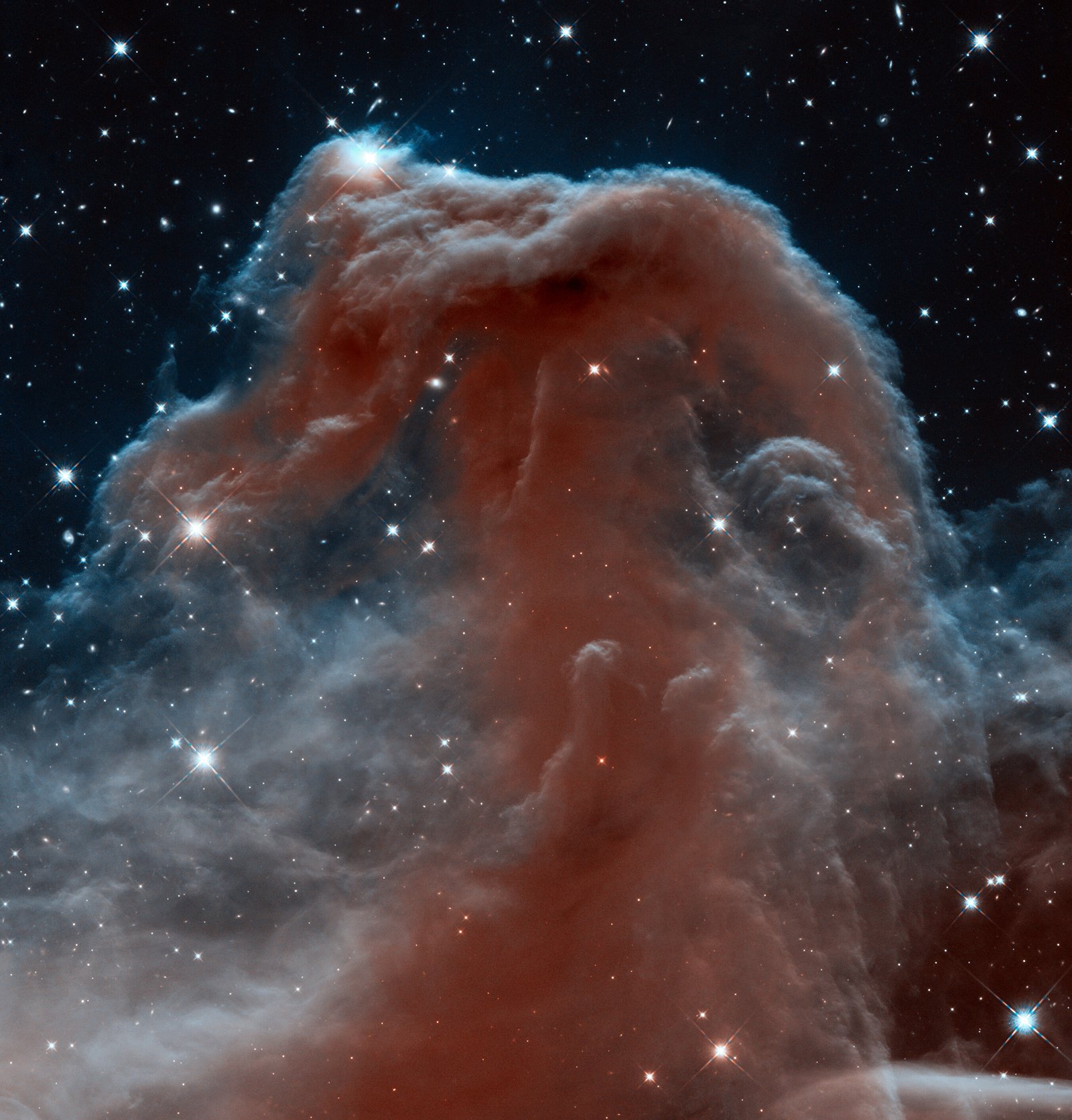
Orion
The Horsehead Nebula below Orion's Belt — the hunter recognized by cultures across the whole world.
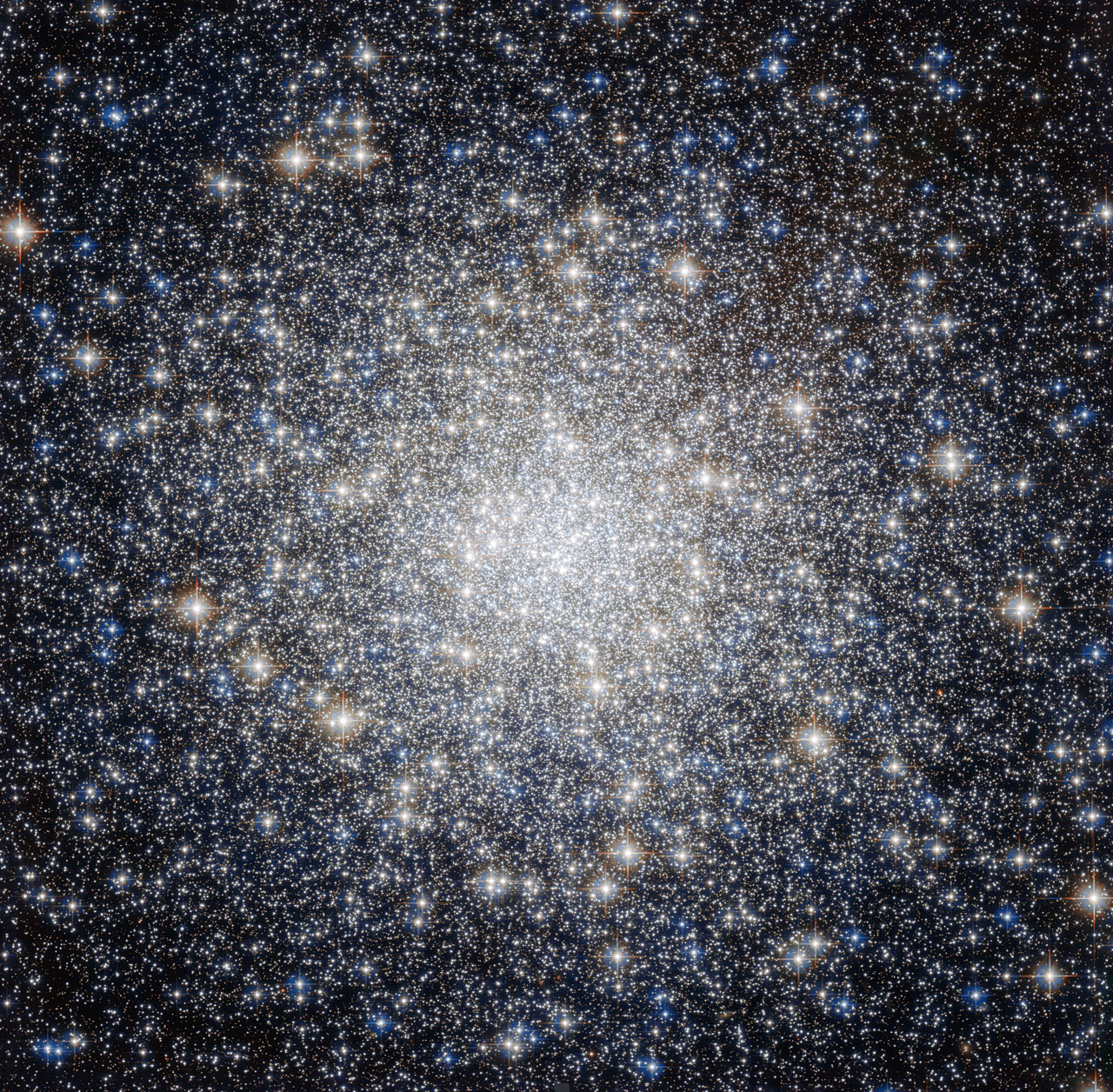
Hercules
The ancient cluster M92 in the kneeling hero, whose Keystone also frames the great cluster M13.
Interests · Chess Openings · Books · Whirlpool Galaxy · Draco · Veil Nebula · Vega · Deneb · Altair · Summer Triangle · Lyra · Ring Nebula · Pleiades / Seven Sisters · Andromeda Galaxy · Orion Nebula · Hercules Cluster · Betelgeuse · Polaris · Pale Blue Dot · Cassiopeia · Earthrise · Voyager 1 · Voyager 2
Return to Michael Paycer
Explore Michael Paycer's professional SQL Server, cloud, ETL, API, automation, and consulting pages, or continue browsing the personal interests section.